Biobase: Dentin Replacement in a Biomimetic Restoration
The biobase is the dentin replacement in a biomimetic restoration. A term coined by Dr. Wendell Robertson, DDS, the biobase forms a foundation that allows a restored tooth to function like a natural tooth. The biobase mimics a natural tooth’s function (biomimetic) by bonding fully around the pulp chamber at a strength of 30-50 MPa, the same strength at which a natural tooth is connected to itself.
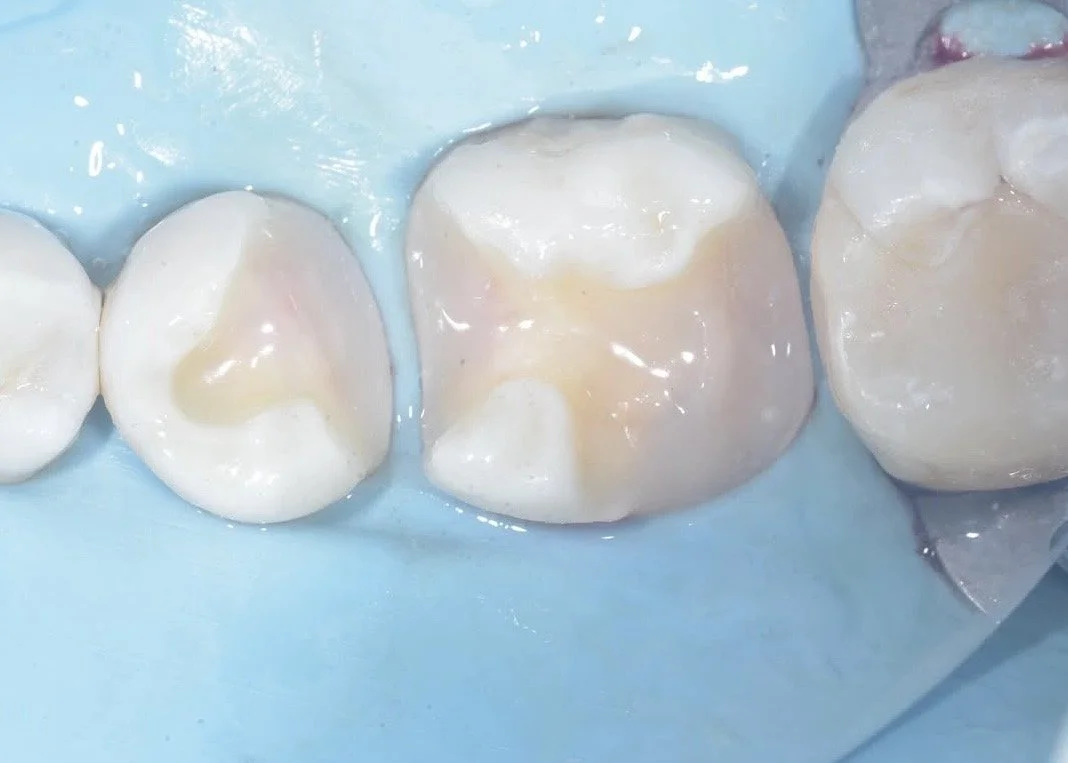
Example of a biobase. Case by Dr. Davey Alleman, DMD.
Benefits of creating a biobase for adhesive prep design
Traditional preparations often cut into the critical cervical 2-3 mm of dentin at the base of a tooth. During the forces of occlusion, stress is transferred to this area, called the biorim, as the natural tooth is designed to do. Without the biorim, stress is transferred to the remaining tooth structure, putting it at greater risk of fracture.
The biobase conserves the critical cervical 2-3 mm of dentin where possible and restores deeper defects with high bond strengths that mimic a natural biorim through performing deep margin elevation. The biobase fully seals healthy tooth structure and creates a biomimetic foundation that allows a restored tooth to function like a natural tooth.
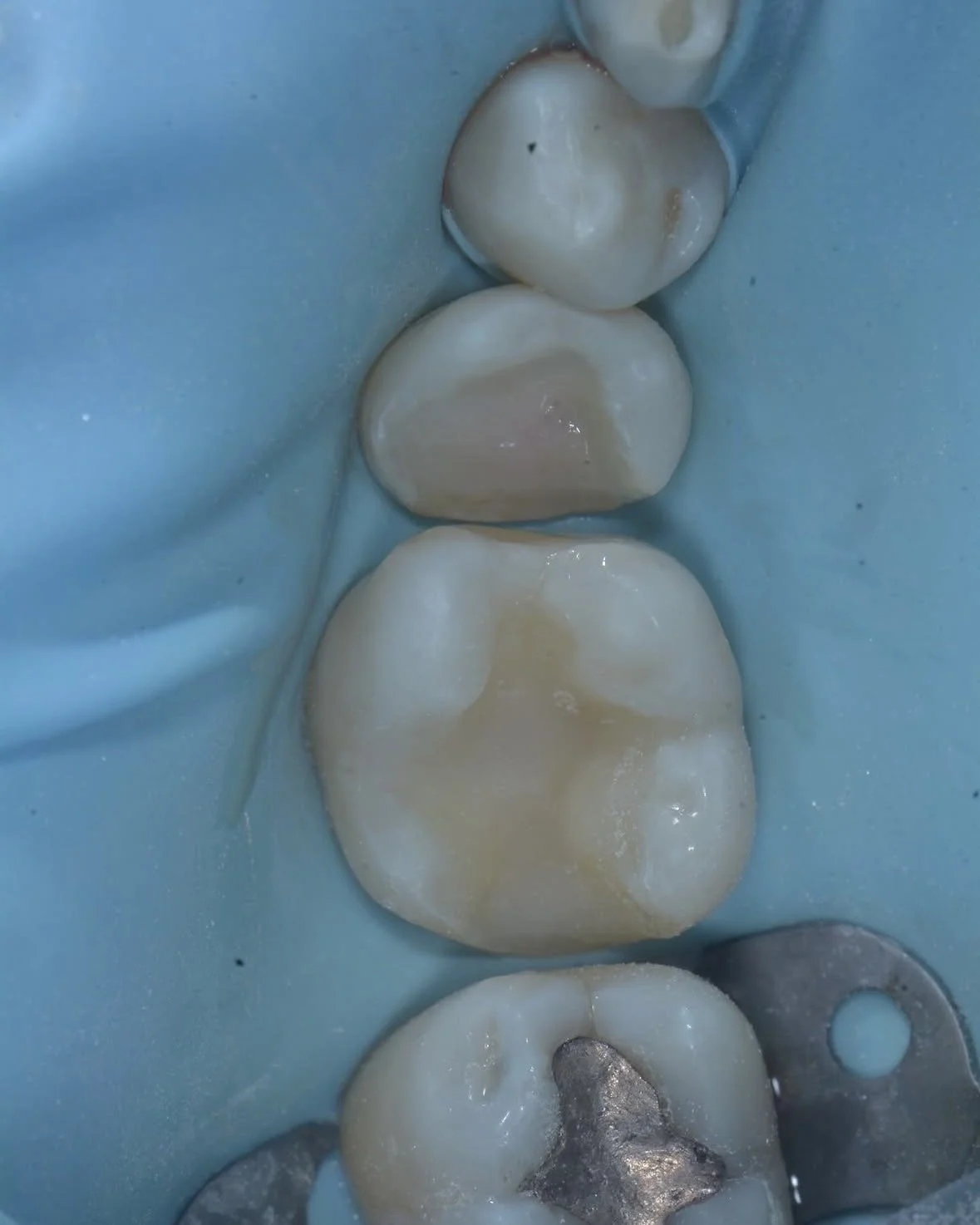
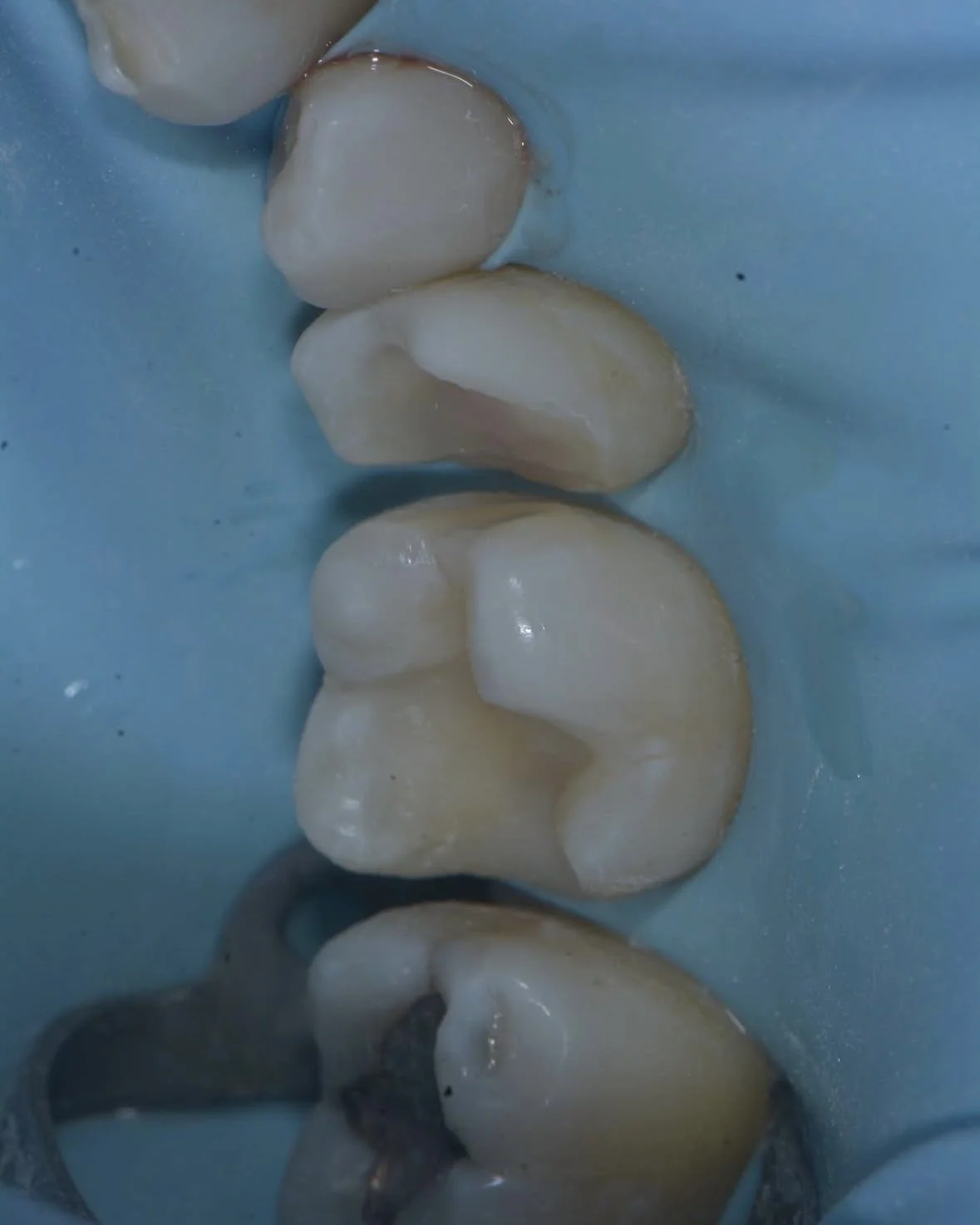
The same biobase pictured from two angles, shows how the biorim is conserved. Case by Dr. Davey Alleman, DMD.
Steps to complete a biobase
Dr. David Alleman, DDS, created his Six Lessons Approach to systematize protocols for what was, at the time, new adhesive dentistry. His clinical success and the success of the doctors he has trained over the past 23 years show the effectiveness of the Six Lessons Approach in conserving tooth structure and pulp vitality. His Six Lessons Approach outlines the following steps for creating a biobase:
Lesson 1: Diagnosis and Treatment of Caries: Lesson 1 is the most important lesson because, without predictable caries removal in the bonding field, you cannot achieve predictable adhesive results. Lesson 1 outlines techniques for pairing caries detector dye with the peripheral seal zone concept to create the highest possible bond strengths.
Lesson 2: Structural Analysis and Cracks Into Dentin: Cracks in any material will continue to propagate, even if bonded over. This means the best way to treat cracks in teeth is to remove them fully, where possible. Lesson 2 outlines crack diagnosis protocols and techniques for safe crack removal for a long-lasting restoration.
Lesson 3: Immediate Dentin Sealing and Resin Coating: Immediate dentin sealing and resin coating seal exposed dentin, preventing reinfection and supporting remaining tooth structure.
Lesson 4: C-Factor and Margin Elevation: Lesson 4 especially benefits preparations with deep defects. Bringing the preparation supragingival and reducing C-factor stresses to create a biomimetic foundation for your restoration.
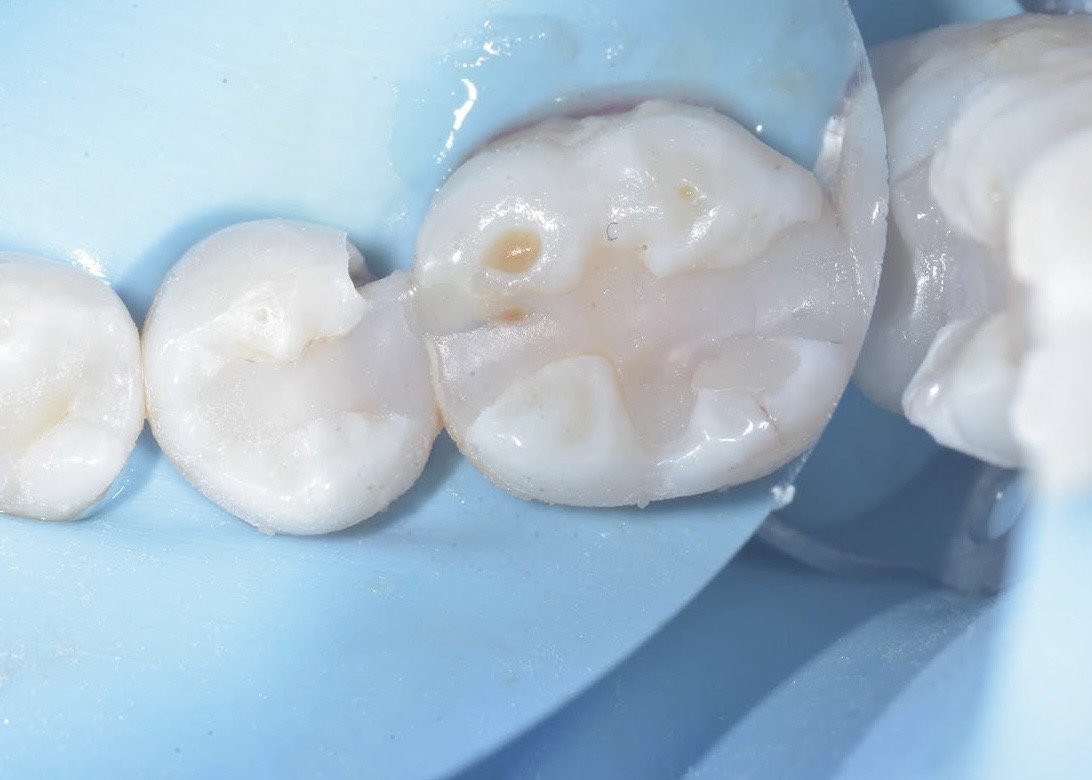
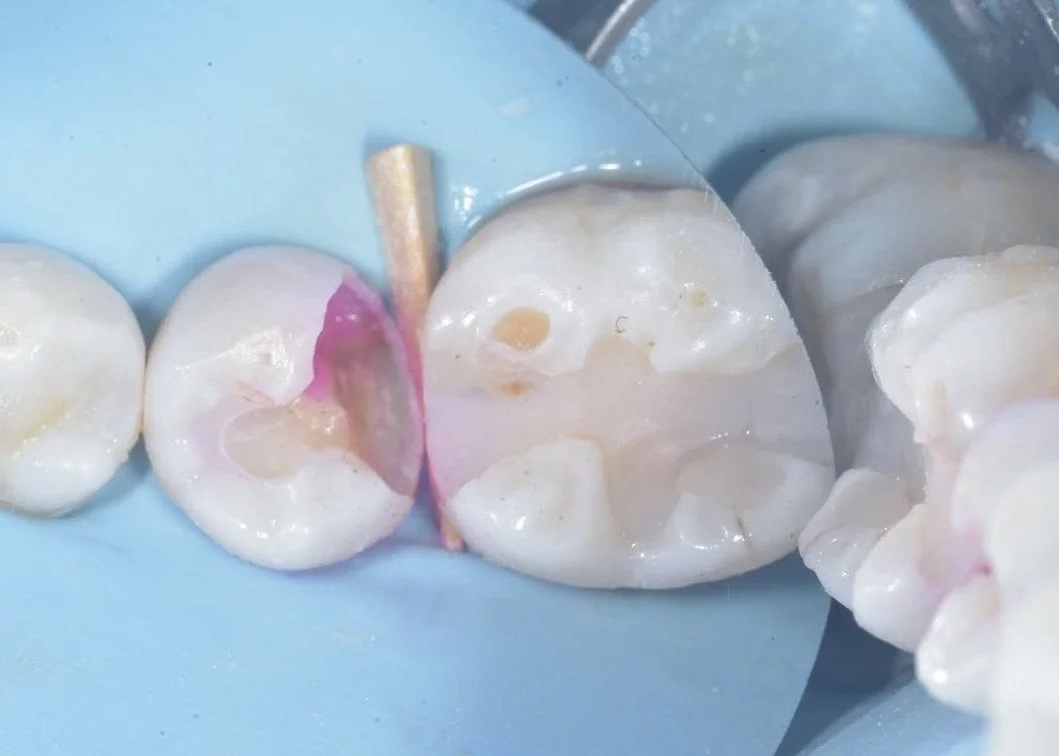
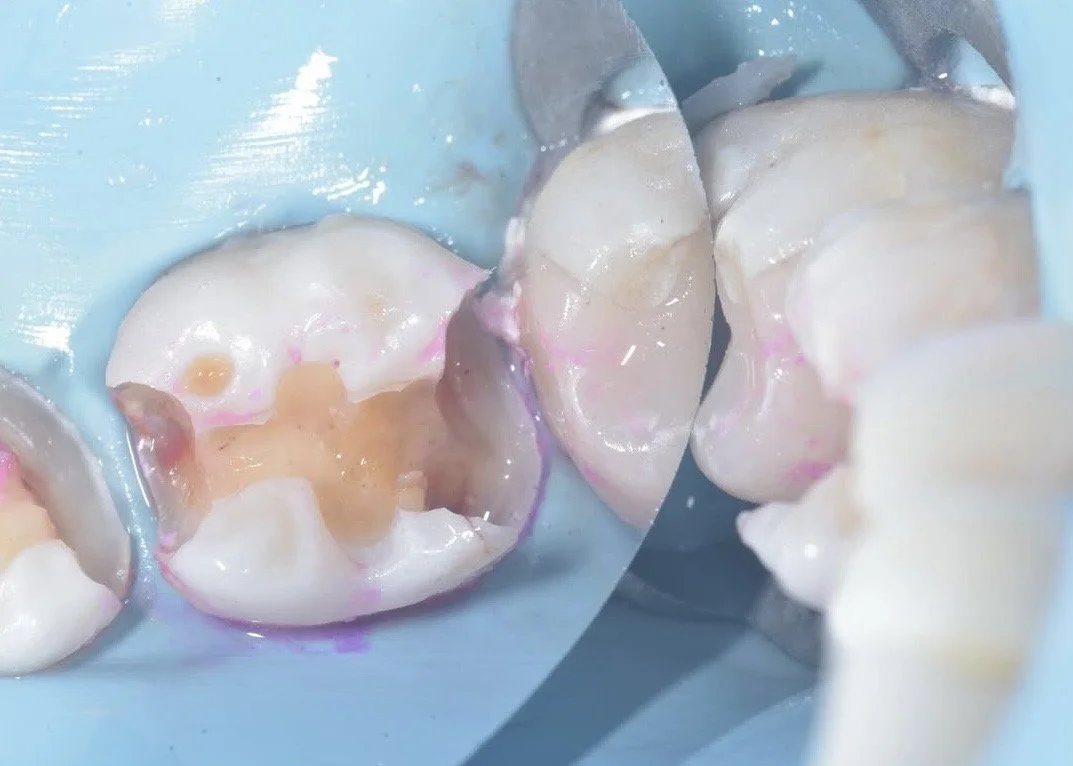
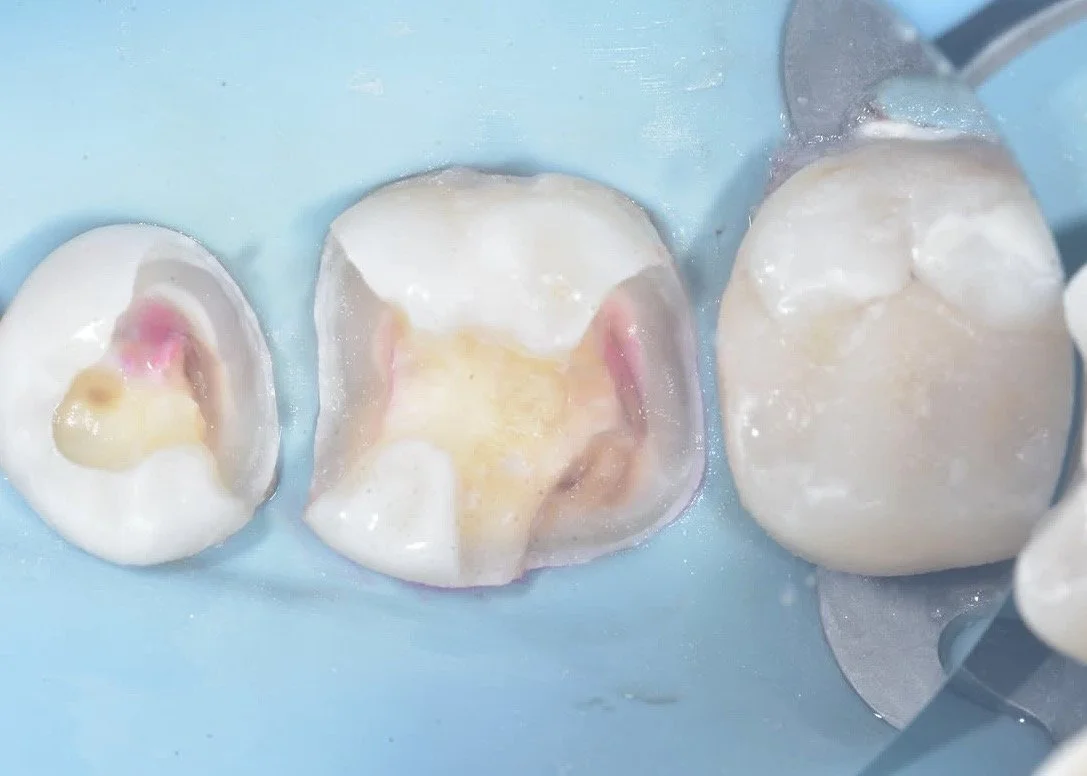
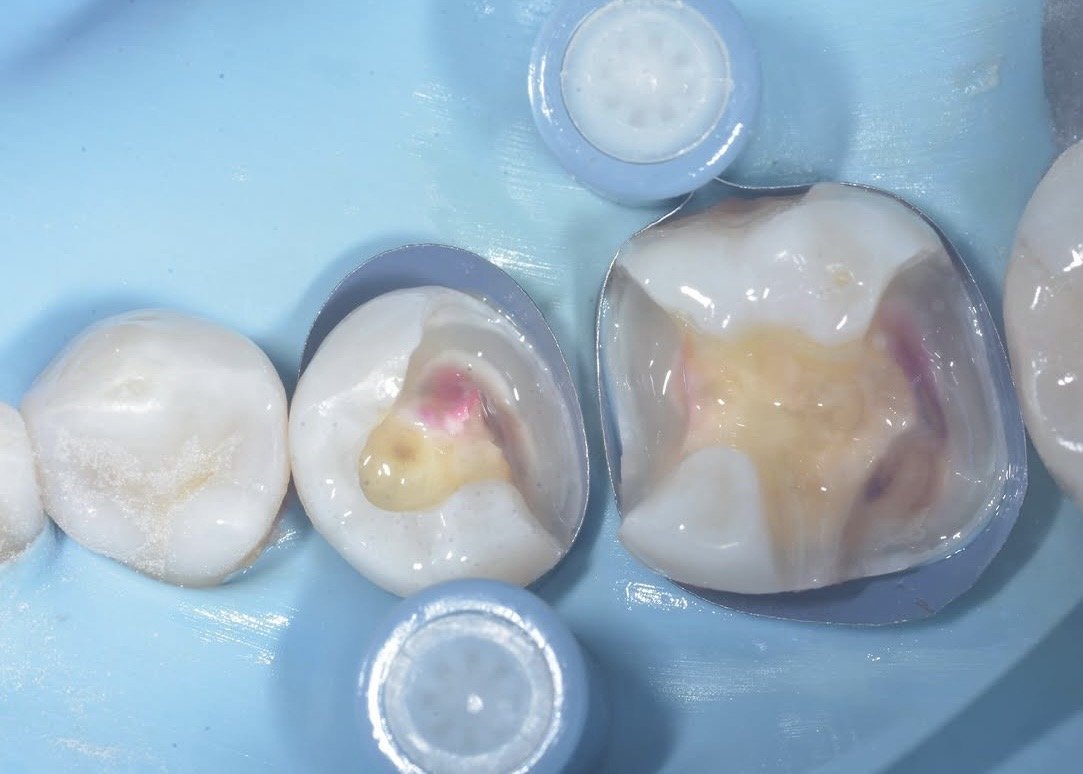
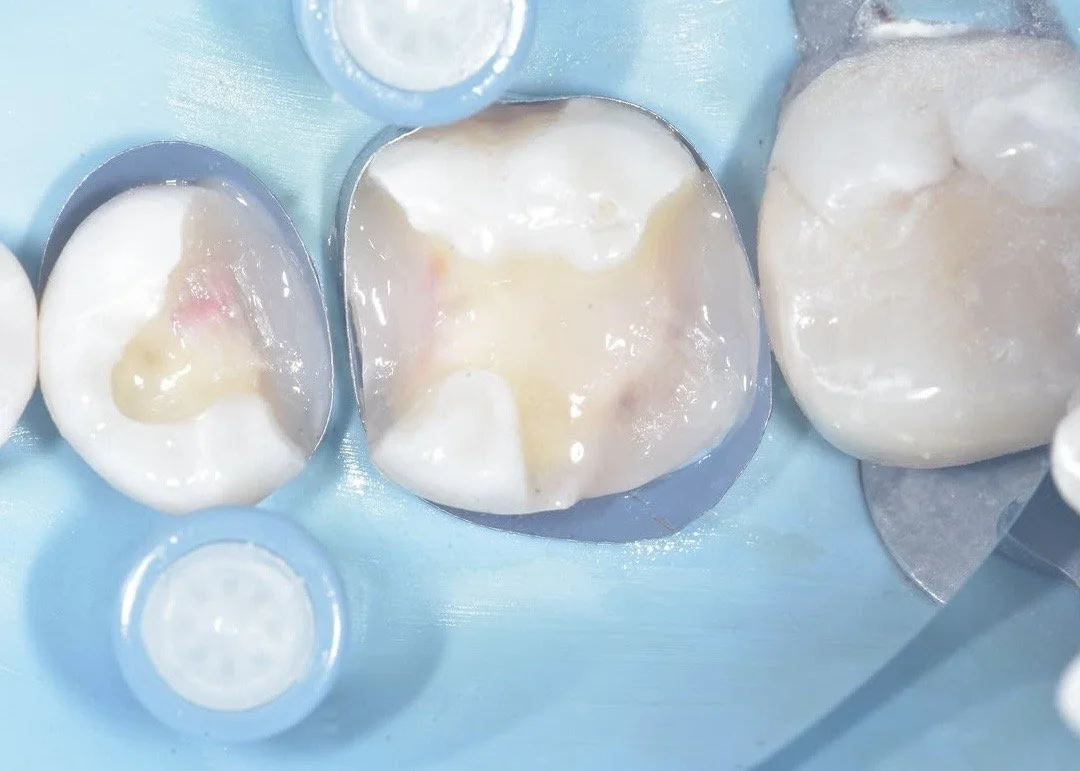
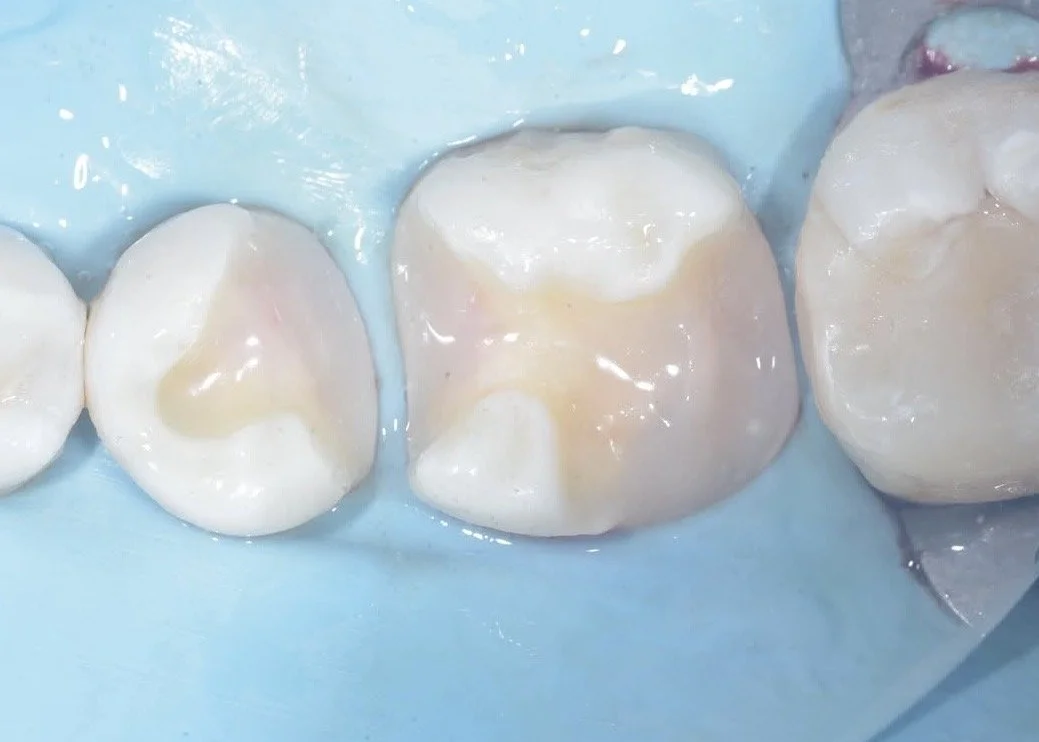
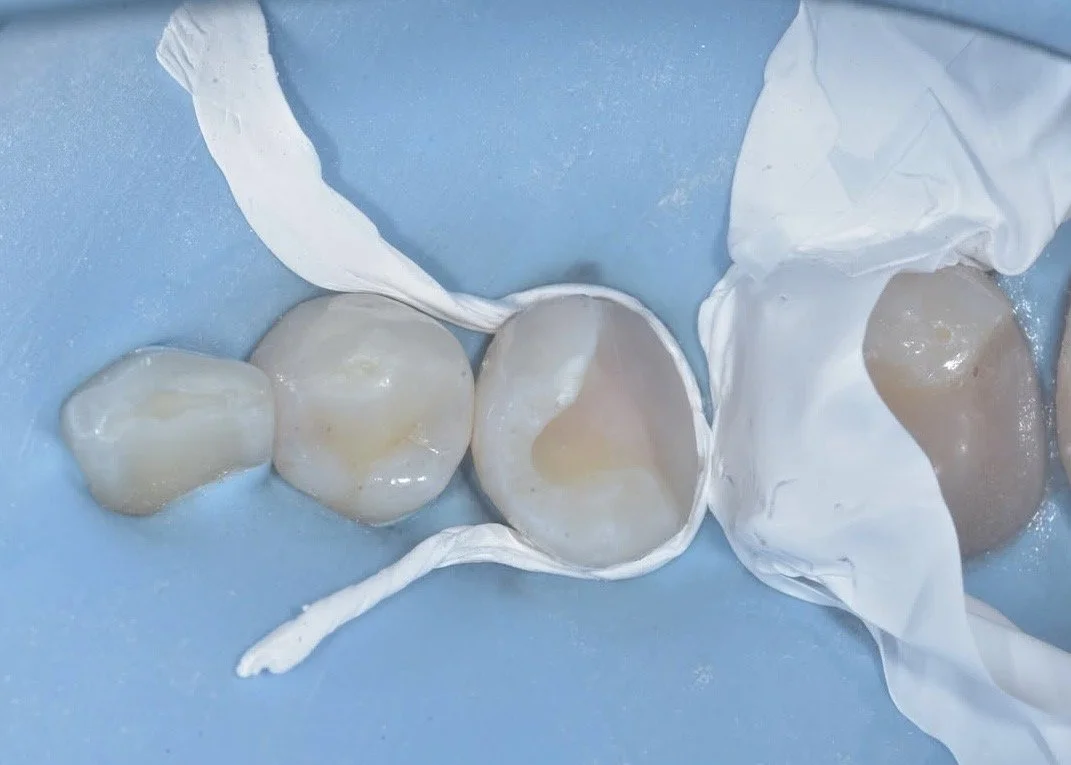
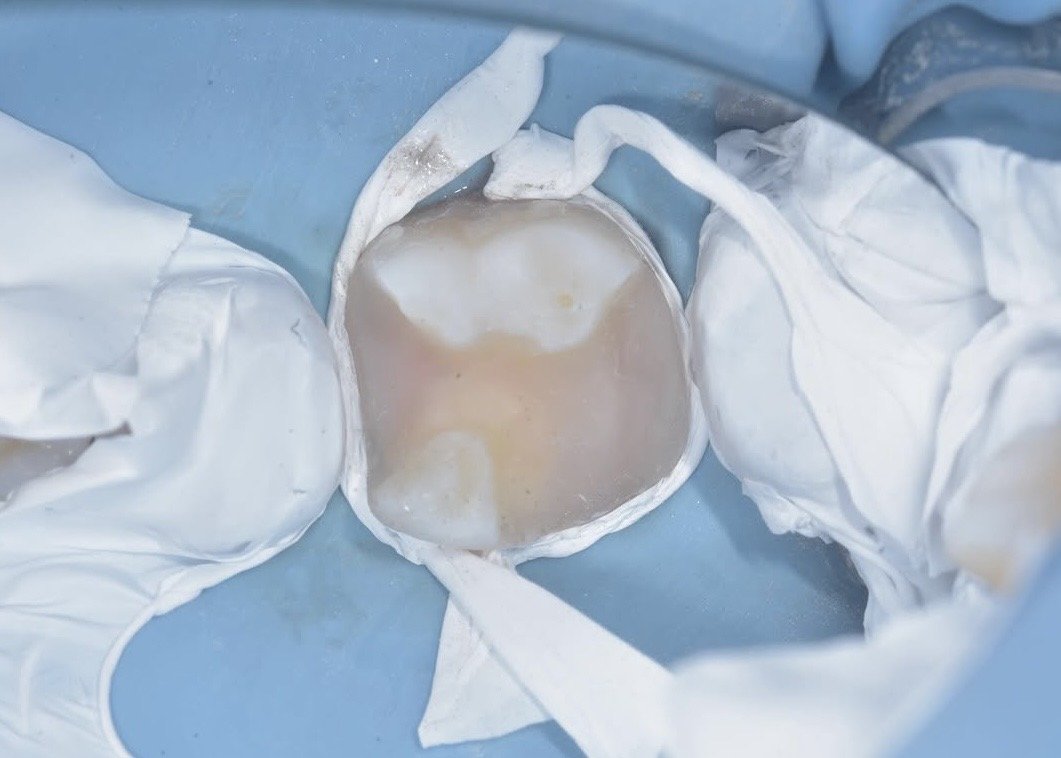
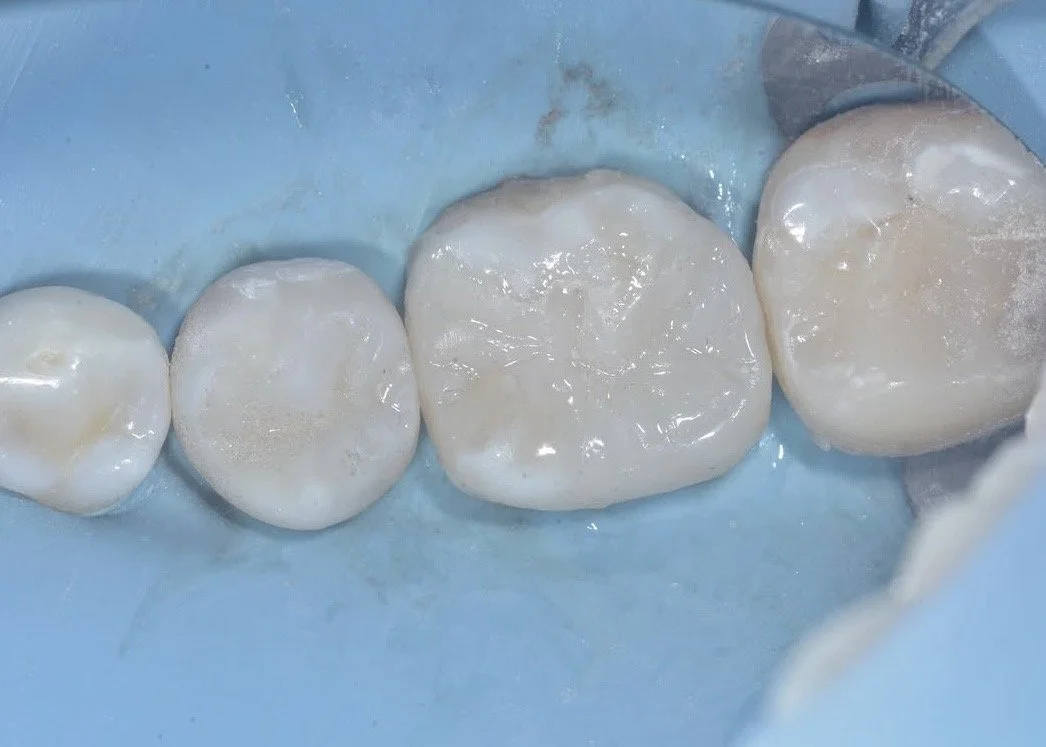
Case demonstrating the Six Lessons Approach protocols by Dr. Davey Alleman, DMD.
Best enamel replacement after completing a biobase
An additional benefit of the biobase is the flexibility it offers practitioners in prep design and enamel replacement. Both composite and ceramic enamel replacements mimic natural enamel and can be bonded to the biobase. Any wear, chips or cosmetic adjustments to the enamel replacement can be completed fully above the biobase, leaving healthy tooth structure intact.
Dive into the conservative protocols of the Six Lessons Approach in upcoming Alleman Center training programs. Study with Dr. David Alleman, DDS, a pioneer in biomimetic restorative dentistry.
Learn more about biobase restorations in this case example by Dr. Davey Alleman, DMD.