Post-operative Dental Sensitivity: Causes and Treatment
Dentists and patients alike are often frustrated with dental sensitivity, but this no longer needs to be the case. Research from the last four decades involving dental materials, tooth anatomy and the tooth’s immune responses gives practitioners new tools for diagnosis and treatment that can eliminate the leading causes of post-operative sensitivity.
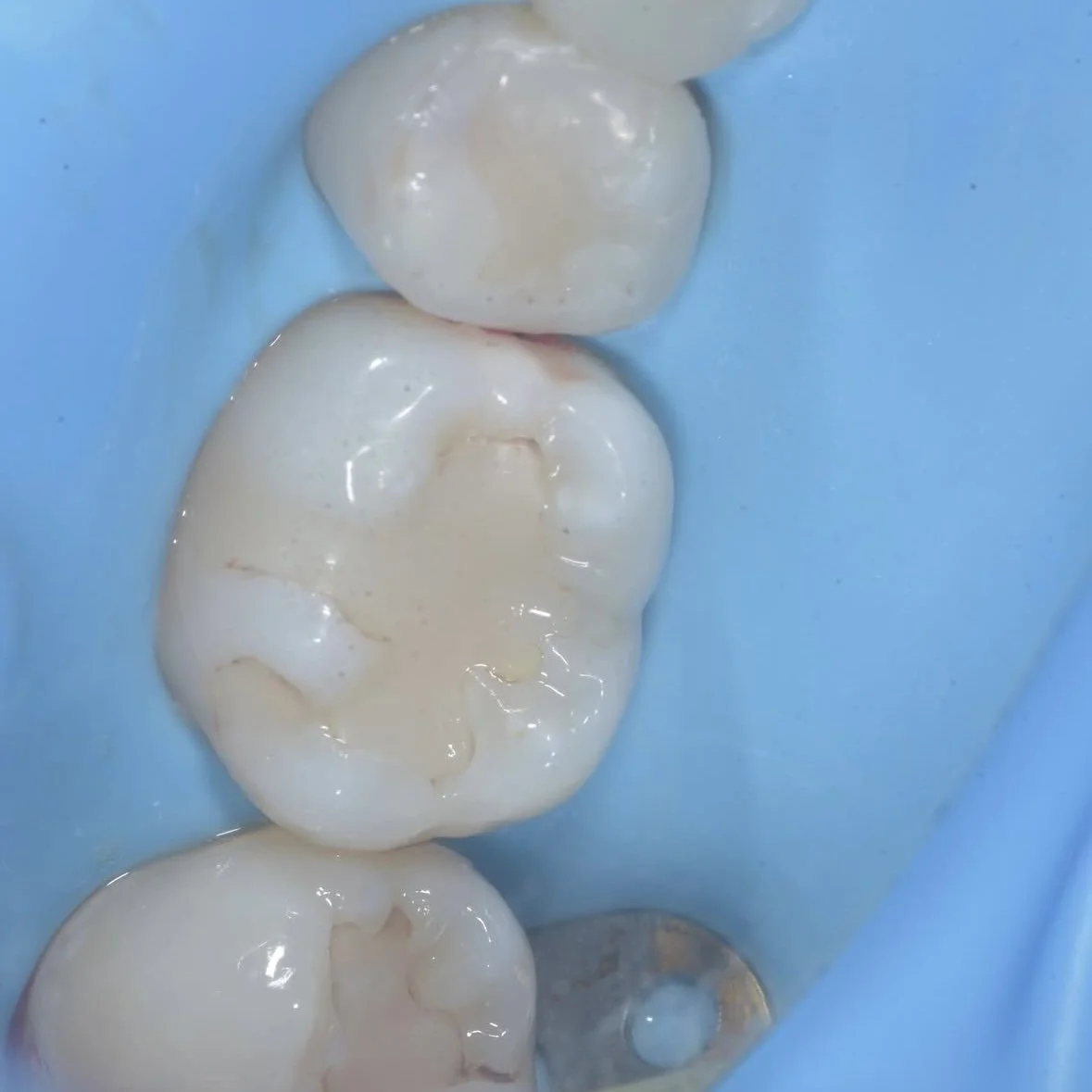
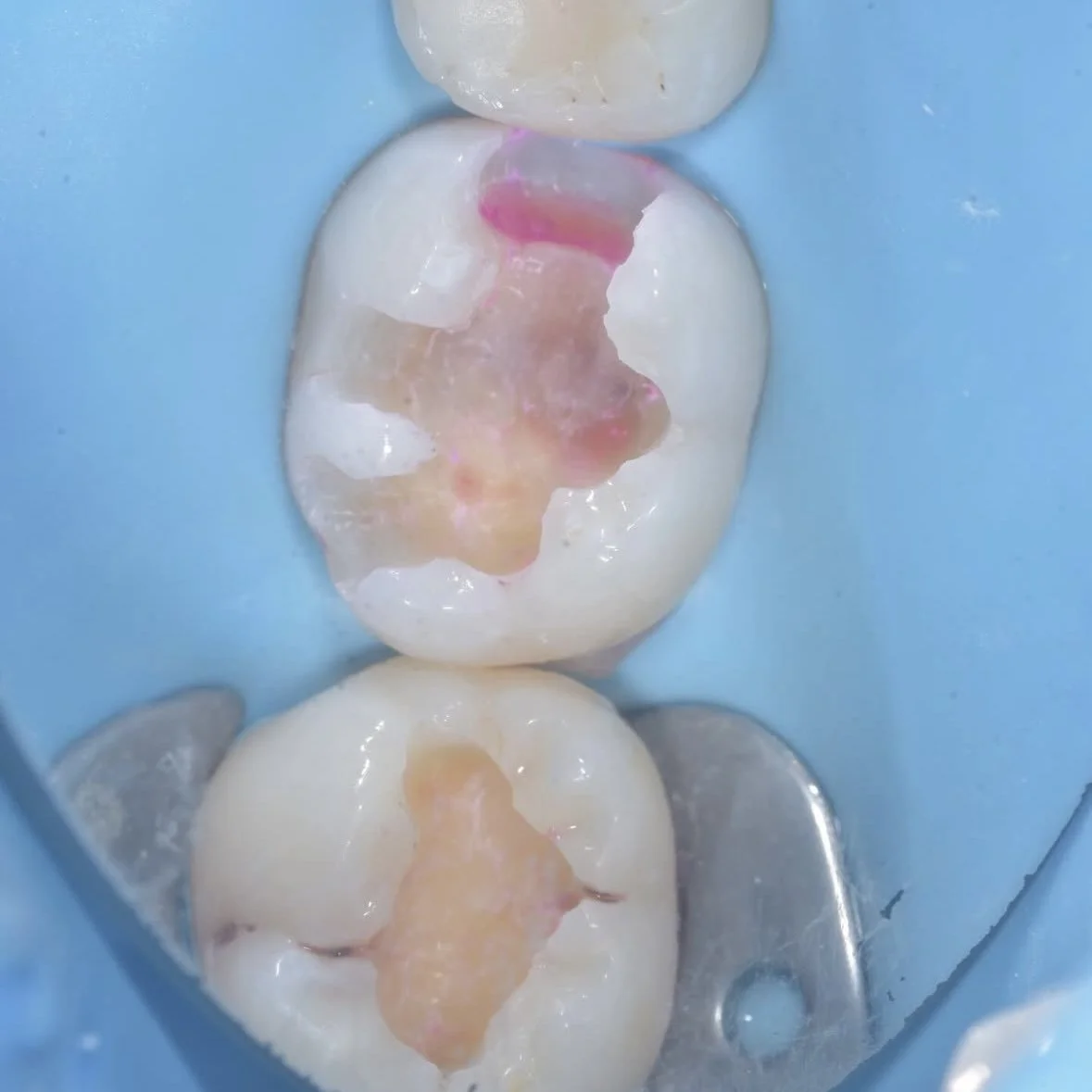
Decay, cracks and gaps under poorly bonded composite restorations can cause post-operative sensitivity. Case by Dr. Davey Alleman, DMD.
What causes post-operative sensitivity in restored teeth?
Post-operative dental sensitivity is most often caused by exposed dentin or cracks under a restoration. The hydrodynamic theory of pain (Brannstrom M. The hydrodynamic theory of dentinal pain: sensation in preparations, caries, and the dentinal crack syndrome. Journal of Endodontics. 1986;12(10):453-457) shows how pulpal fluid moving through dentinal tubules elicits the feeling of pain or sensitivity for a patient. From this, practitioners can diagnose and treat the cause of a patient’s symptoms.
Exposed dentin is most often caused by a poor seal in an adhesive restoration. Large restorations, materials with weak bond strengths and caries in the bonding field can all result in bonds to dentin that fail as quickly as 30 minutes after the restoration is placed, causing sensitivity and exposing the tooth to reinfection.
Cracks into dentin are often undiagnosed due to low magnification or left due to concerns about invasive treatment by the practitioner. As cracks propagate, they will expose dentin and elicit pain or sensitivity. Learn more about conservative crack treatment that prevents full-coverage crowns.
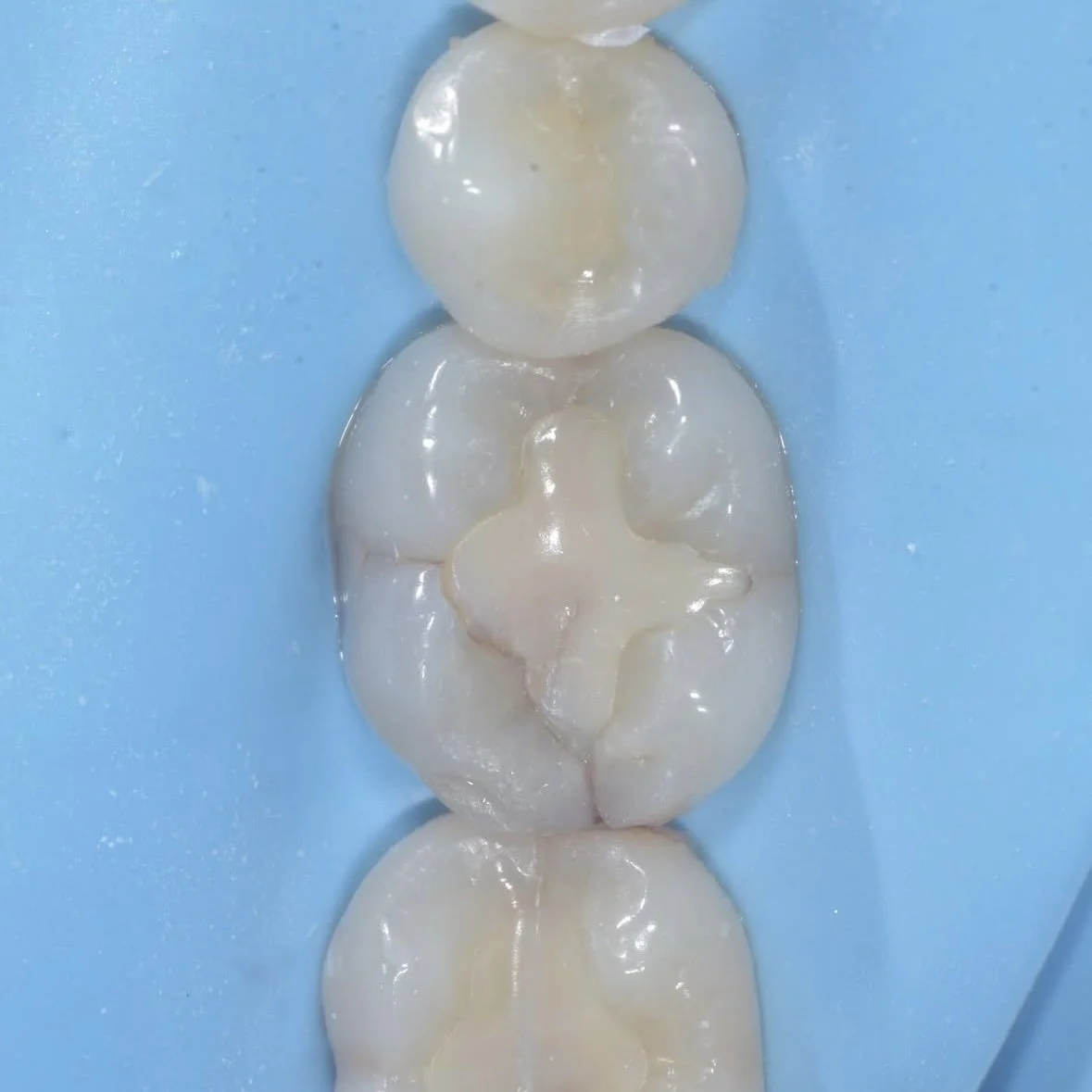
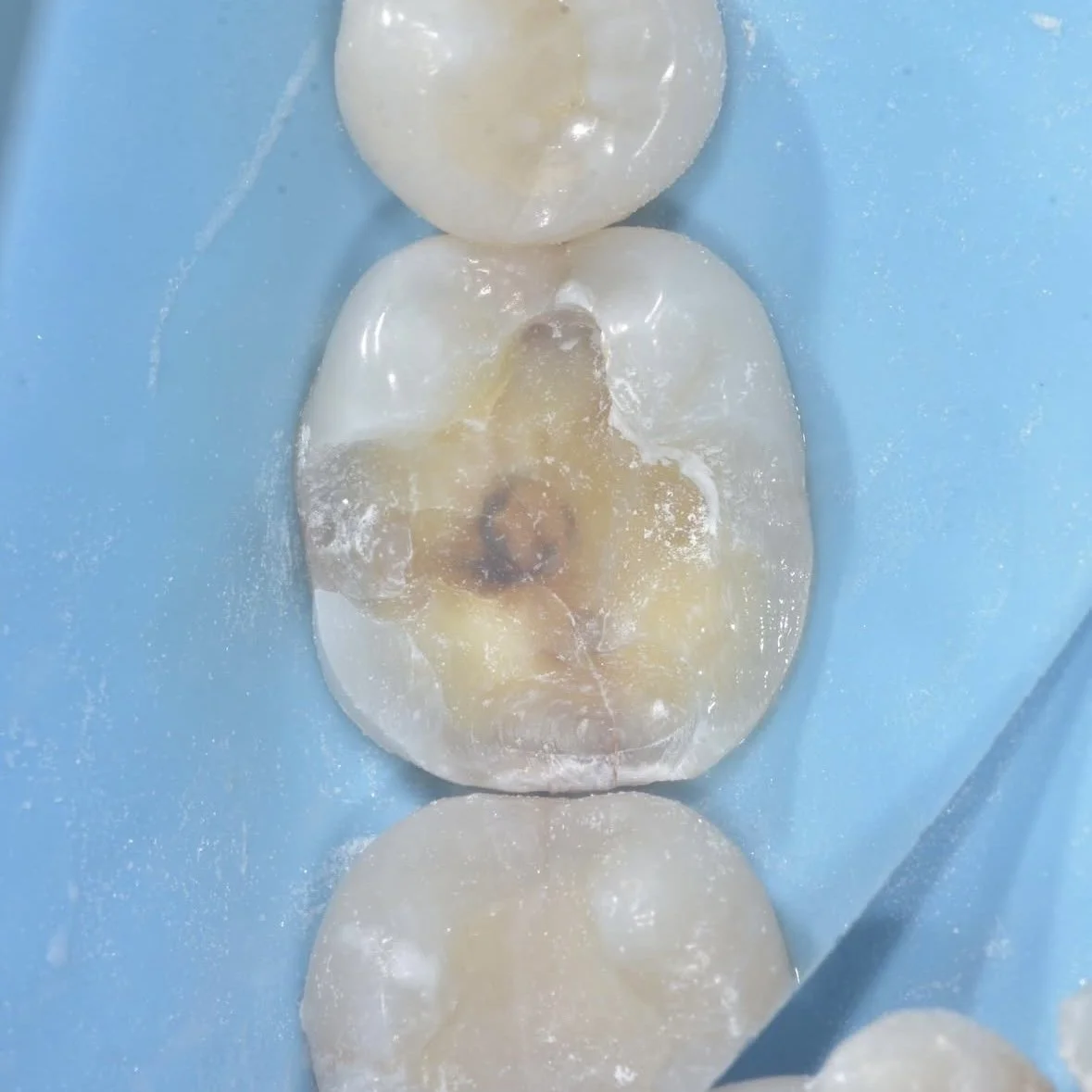
While composite may look like a natural tooth, without proper bonding protocols it will not function like a natural tooth, leaving the surrounding tooth structure at risk of fracture and post-operative sensitivity. Case by Dr. Davey Alleman, DMD.
How to diagnose the cause of post-operative sensitivity
Patient symptoms are helpful in determining whether post-operative sensitivity is caused by exposed dentin or an untreated crack. Exposed dentin or a gap under a restoration will feel more constant than a crack, which will become symptomatic as it propagates but not elicit symptoms when the exposed dentin remineralizes. The 1-2-3-4 risk assessment also helps diagnose if a tooth is at risk of fracture. Learn more about the risk assessment in our Free Lesson 2 Webinar.
Even if symptoms go away, a history of symptoms should be taken seriously. Leaving exposed dentin or cracks under a restoration can put the tooth at risk of cuspal fracture or infection and should be addressed during a patient’s exam.

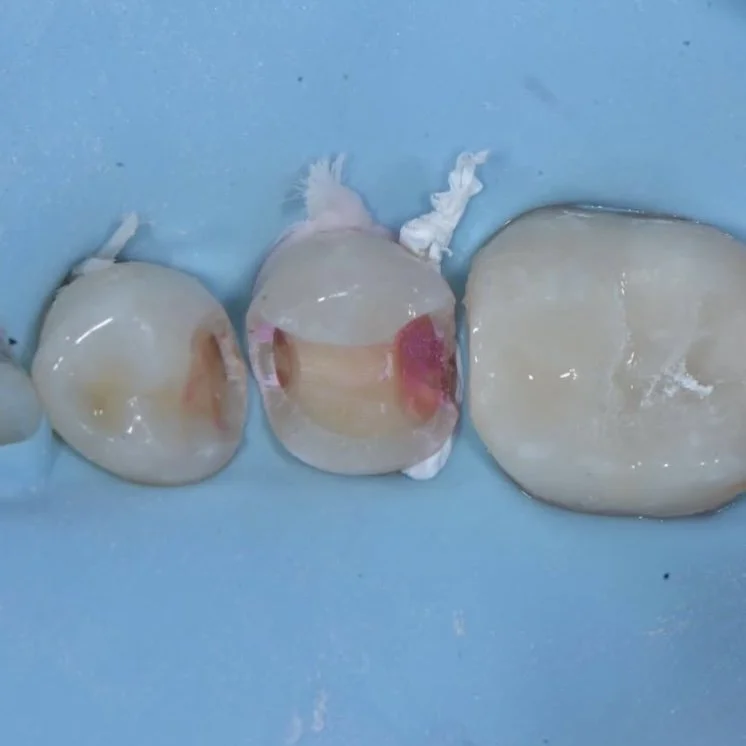
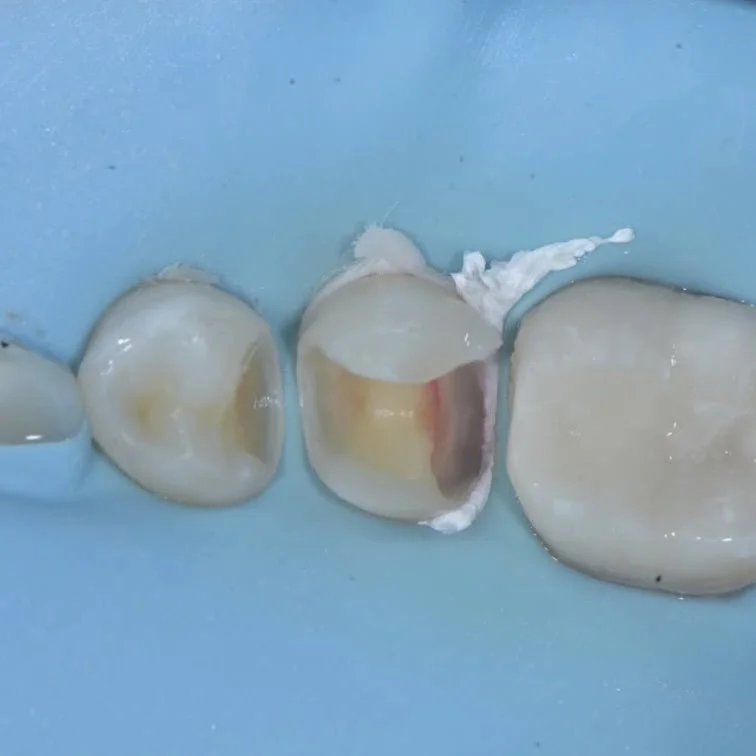
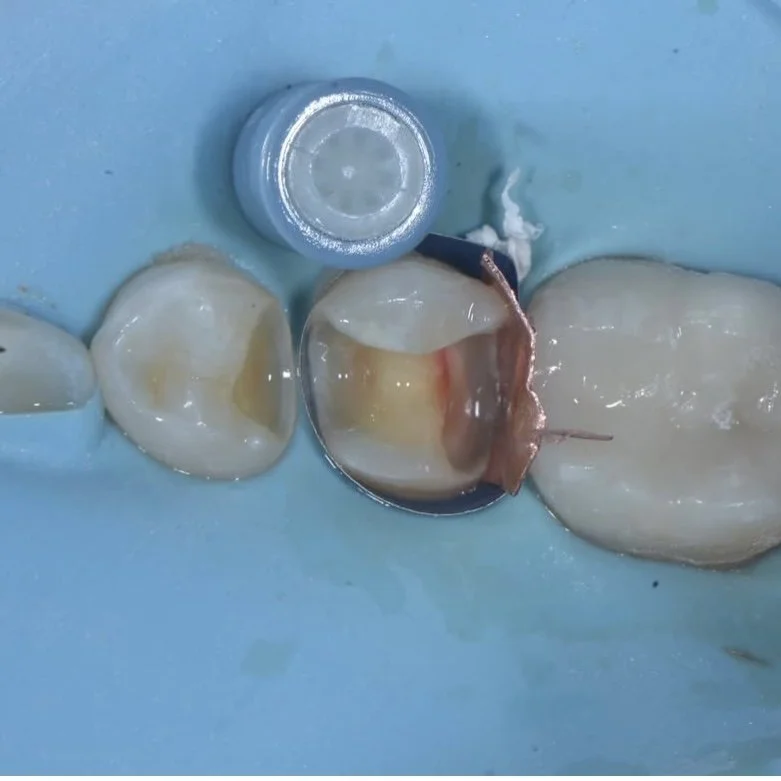
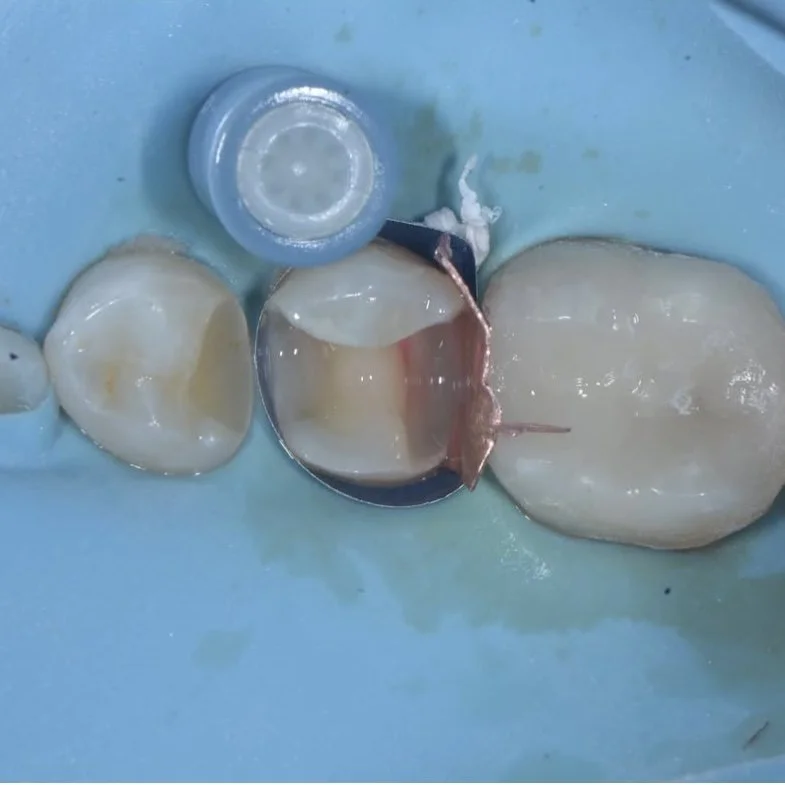
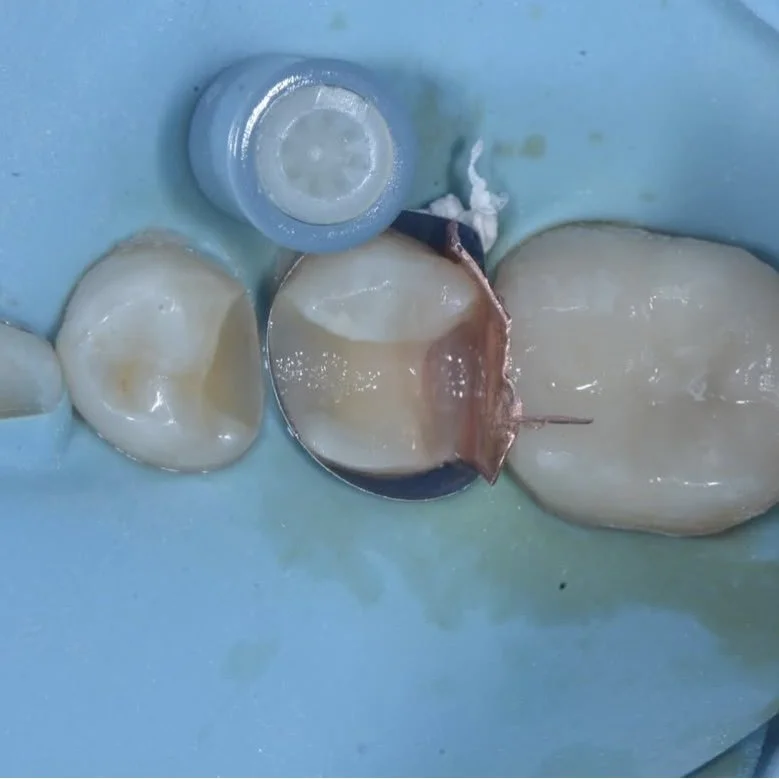

Not all symptomatic teeth need endodontic treatment and a full coverage crown. This case by Dr. Davey Alleman, DMD shows how Six Lessons Approach protocols seal the tooth and give the pulp a chance to heal.
Preventing post-operative sensitivity in restorative dentistry
While many dentists leave dental school with insufficient answers to properly address post-operative sensitivity for their patients, advancements in dentinal bonding can help resolve symptoms for most patients. Dr. David Alleman, DDS created his Six Lessons Approach to outline protocols that:
Seal the tooth at the nanometer level to create bonds that protect the pulp from reinfection and have been shown to stay bonded for 20 years and counting
Safely remove cracks around the pulp to stop propagation
Restore high C-factor trenches created by crack dissection without stressing the hybrid layer to dentin, preventing full-coverage crowns
Learn more about the Six Lessons Approach or train with Dr. David Alleman, DDS in upcoming Alleman Center training programs.
Learn more about caries treatment to conserve pulp vitality in this Six Lessons Approach Podcast episode.